'/%3e%3cpath%20id='spade'%20class='cls-2'%20d='M196.08,56.6l13.014,57.987-0.309-9.652,5.264-1.239c1.872,8.514,1.127,16.417-3.508,21.2-6.22-2.229-10.283-9-12.255-17.49l6.371-1.5L193.731,57.155a7.077,7.077,0,0,1-7.267-5.564,7.263,7.263,0,0,1,.171-3.822l11.8-2.777A7.261,7.261,0,0,1,196.08,56.6Zm1.688-8.932-9.39,2.209a4.523,4.523,0,0,0,.1,1.237,4.82,4.82,0,0,0,5.909,3.472,4.922,4.922,0,0,0,3.822-5.762A4.461,4.461,0,0,0,197.768,47.67Z'%20transform='translate(-94.969%20-45)'/%3e%3cpath%20id='GARDEN'%20class='cls-2'%20d='M118.015,68.918H119.6V73c0,1.581-.7,2.15-1.81,2.15s-1.809-.569-1.809-2.15V61.045c0-1.581.7-2.182,1.809-2.182s1.81,0.6,1.81,2.182v2.371h3.3v-2.15c0-3.541-1.778-5.565-5.206-5.565s-5.206,2.024-5.206,5.565V72.775c0,3.541,1.778,5.565,5.206,5.565s5.206-2.024,5.206-5.565V65.756h-4.889v3.162Zm16.127-12.963h-5.111l-3.556,22.133h3.206l0.6-4.016h4.285l0.6,4.016H137.7Zm-2.731,3.92,1.683,11.193h-3.365Zm20.031,18.212a6.5,6.5,0,0,1-.381-2.688V71.985c0-2.308-.572-3.984-2.317-4.711,1.555-.727,2.285-2.213,2.285-4.49V61.045c0-3.415-1.555-5.09-5.174-5.09h-5.27V78.087h3.492V69.076h1.206c1.588,0,2.286.759,2.286,2.814v3.478a6.8,6.8,0,0,0,.317,2.719h3.556ZM145.76,59.116c1.238,0,1.777.7,1.777,2.276v2.182c0,1.771-.793,2.34-2.095,2.34h-1.365v-6.8h1.683Zm8.855,18.971h5.524c3.492,0,5.206-1.929,5.206-5.47V61.424c0-3.541-1.714-5.47-5.206-5.47h-5.524V78.087Zm5.461-18.971c1.111,0,1.777.569,1.777,2.15V72.775c0,1.581-.666,2.15-1.777,2.15h-1.969V59.116h1.969Zm12.252,0h6.032V55.954h-9.524V78.087h9.524V74.925h-6.032V68.444h4.794V65.282h-4.794V59.116Zm16.92,18.971h3.587V55.954h-3.111V69.2l-3.588-13.248h-4.38V78.087H184.9V62.057Z'%20transform='translate(-94.969%20-45)'/%3e%3cpath%20id='SCAPE'%20class='cls-3'%20d='M110.82,88.258c0,8.278,8.935,9.4,8.935,15.357,0,2.069-.915,2.814-2.369,2.814s-2.369-.745-2.369-2.814v-2.07H110.7v1.78c0,4.636,2.327,7.285,6.816,7.285s6.815-2.649,6.815-7.285c0-8.278-8.935-9.4-8.935-15.356,0-2.07.831-2.856,2.286-2.856s2.286,0.786,2.286,2.856v1.2h4.322V88.258c0-4.636-2.286-7.285-6.733-7.285S110.82,83.622,110.82,88.258Zm26.72,11.217v4.14c0,2.069-.914,2.814-2.369,2.814s-2.369-.745-2.369-2.814V87.969c0-2.07.915-2.856,2.369-2.856s2.369,0.786,2.369,2.856v3.1h4.322V88.258c0-4.636-2.327-7.285-6.815-7.285s-6.816,2.649-6.816,7.285v15.067c0,4.636,2.327,7.285,6.816,7.285s6.815-2.649,6.815-7.285v-3.85H137.54ZM156.447,81.3h-6.691L145.1,110.279h4.2l0.79-5.257h5.61l0.79,5.257H161.1Zm-3.574,5.133,2.2,14.653h-4.405ZM171.614,81.3h-6.732v28.975h4.571V99.393h2.161c4.572,0,6.816-2.525,6.816-7.161V88.465C178.43,83.829,176.186,81.3,171.614,81.3Zm0,4.139c1.455,0,2.245.662,2.245,2.732v4.346c0,2.07-.79,2.732-2.245,2.732h-2.161v-9.81h2.161Zm15.168,0h7.9V81.3H182.211v28.975h12.467V106.14h-7.9V97.654h6.275V93.515h-6.275V85.443Z'%20transform='translate(-94.969%20-45)'/%3e%3c/svg%3e)
Making a garden accessible for wheelchair or mobility needs
Accessible and Step-Free Gardens
An accessible garden is not a compromise on design. Wide, seamless routes, generous seating areas and raised planting make a garden better for everyone, not only for wheelchair users.
Getting the gradients and surfaces right is the technical heart of it.
Routes and gradients
Paths need to be wide enough for comfortable passing and turning, with gentle gradients and level resting points on any slope. Where a step cannot be avoided, a ramp with handrails and a level landing is the alternative.
Turning space at destinations — the seating area, the gate, the shed — is as important as the path itself.
Surfaces
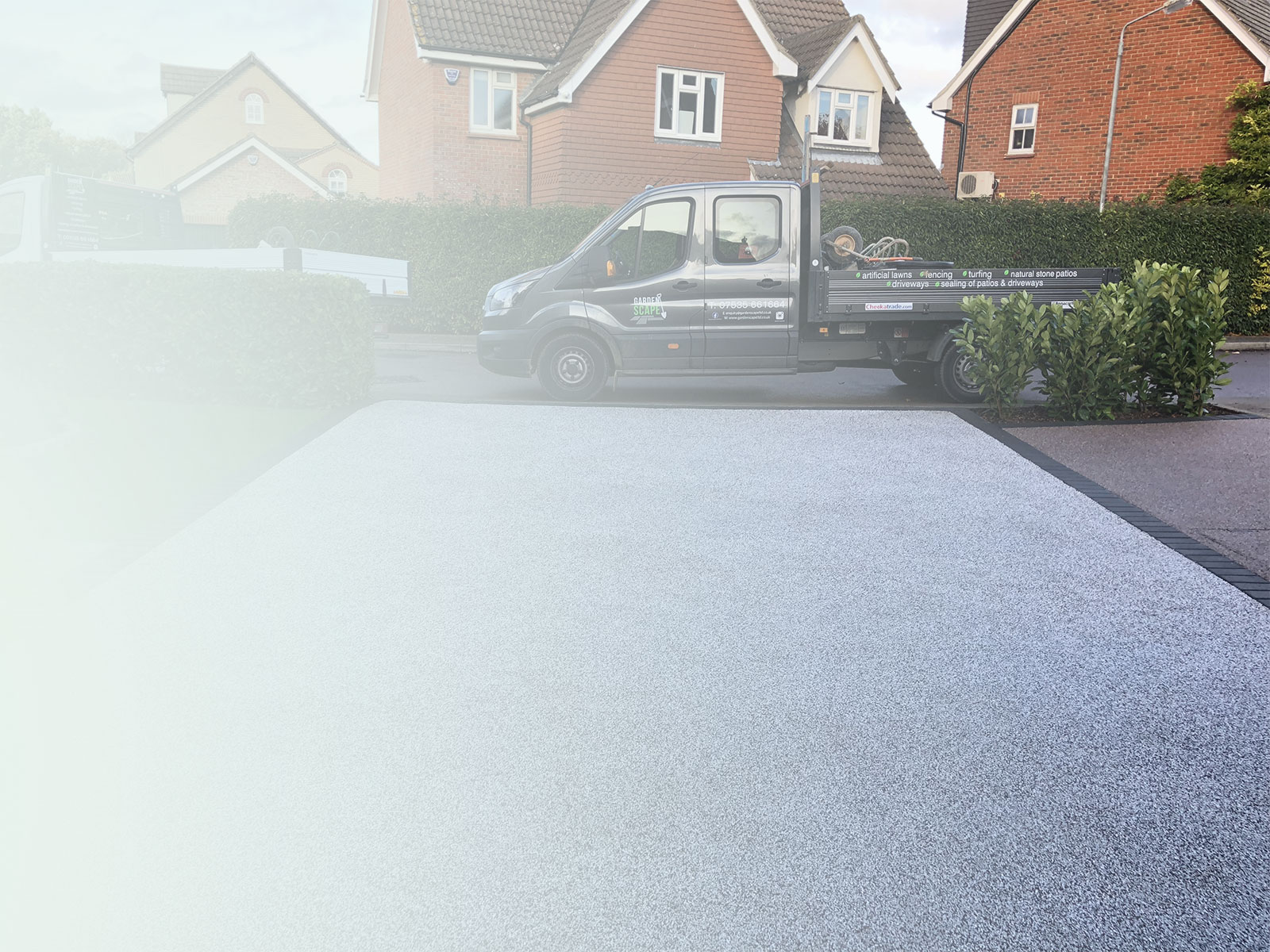
Seamless, firm surfaces such as resin-bound avoid the joints, lips and loose material that make paving and gravel difficult. They are also easier to keep free of algae.
Consistent falls prevent water sitting on the route.
Reach and comfort
Raised beds at a suitable working height allow gardening from a seated position, with clear knee space where possible. Water points and storage placed within reach make independent use realistic.
Good lighting along routes extends safe use into the evening.
Frequently asked questions
What is the best accessible surface?
Seamless resin-bound, for its firmness, permeability and lack of joints.
Can an existing garden be adapted?
Usually yes — regrading routes and replacing surfaces achieves most of the benefit.
Related reading
Need a garden that works for everyone?
We build step-free, seamless, accessible gardens.